
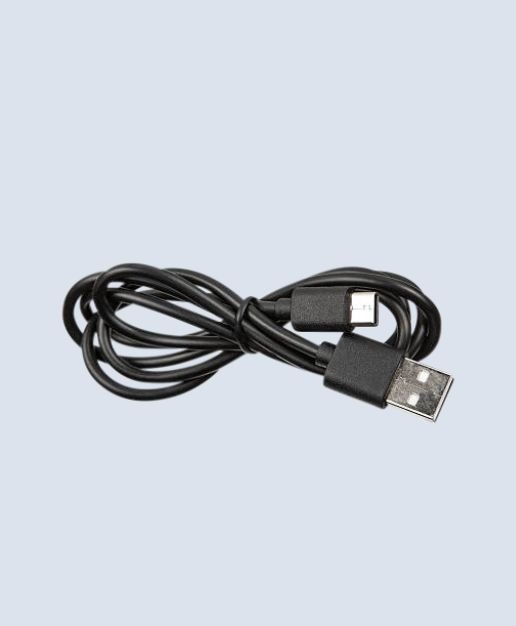
A USB-A to USB-C cable is an essential modern accessory for charging devices and transferring data quickly. This cable combines a standard USB (A) end with a Type-C connector, ensuring fast charging, efficient data transfer and a stable connection. They also look for information on length, materials, fast charging and device safety. Knowing how to use and care for it correctly prevents damage to the ports and extends its lifespan. Understanding all these features helps you choose the ideal USB-A to USB-C cable for the office, school, travel or everyday use ensuring efficiency and safety with all compatible devices.
What is a USB A Type C and how does it work?
A USB-A to Type-C cable allows you to connect modern devices such as phones, tablets and laptops to computers or chargers. The USB-A end connects to the computer or charger while the Type-C connector connects to the device. It enables fast charging, efficient file transfer and a stable connection. Some cables include internal protection against overcharging and short circuits. Understanding how it works helps you use it correctly and avoid damage to the ports or the cable ensuring safe and efficient charging and data transfer.
Types of USB A Type C cables
There are several types of USB-A to USB-C cables, varying in length, materials and transfer speed. Short cables are ideal for desktop use while longer ones offer greater mobility. Some cables feature nylon braiding for increased durability and resistance to bending. Others include reinforced connectors and support for fast charging and high-speed data transfer. There are budget friendly models for basic use and premium models that guarantee safety and efficiency. Understanding the different types of USB-A to USB-C cables allows you to choose the most suitable one for your device, daily use, work or travel.
How to connect a USB A Type C cable correctly
Connecting a USB-A to USB-C cable is easy but requires care. Insert the USB A end into your computer or charger and the USB C end into your device. Avoid forcing the connection if it does not fit. Make sure the ports are clean and dry to ensure stable data transfer and safe charging. Some devices require drivers to recognize the cable correctly. The cable straight and free of kinks prolongs its lifespan. Following these steps the connection will be reliable and secure preventing damage to the cable or device.
Common USB A Type C Problems and Solutions
Some common problems include slow charging, intermittent disconnections or damaged cable ends. Slow charging can be caused by a low quality cable or an incompatible charger. Intermittent disconnections can be fixed by cleaning the connectors or ensuring they are fully inserted. The ends can be damaged if the cable is constantly bent. To avoid problems, use certified cables, be careful when connecting and disconnecting, and replace cables with visible wear. With these precautions, USB-A to USB-C will function properly, allowing for fast data transfer and safe charging of your devices.
Advantages of a quality USB A Type C cable
High-quality USB-A to USB-C cables offer durability, fast and stable charging, and efficient data transfer. Durable materials, such as nylon braiding or reinforced metal connectors, prevent damage from daily use. Some even include protection against overheating or short circuits. They also allow you to take advantage of fast charging if your device supports it, and transfer large files without errors. Investing in a good-quality cable ensures the safety of your phone, tablet, or laptop and avoids frequent replacements. Furthermore, premium cables offer convenience and efficiency while traveling, working, or studying.
Using USB A Type C in the office, study, and travel
Depending on the use, choosing the right cable enhances the experience. In the office, it allows you to connect laptops and devices to computers to efficiently transfer documents or charge mobile phones. For studying, it facilitates transferring files and work between devices. When traveling, a flexible and durable cable is essential for charging from wall chargers or power banks. Choosing the right length and strength ensures comfort and prevents problems during daily use. Adapting the cable to the type of activity promotes efficiency, safety, and protects connected devices.
Basic maintenance of USB A Type C
Maintaining a USB-A to USB-C cable in good condition extends its lifespan. Avoid bending the ends and jerking it when disconnecting. Clean the connectors regularly to prevent dust and debris from affecting the connection. Store the cable neatly coiled and avoid contact with liquids. Checking braided cables for loose strands prevents breakage. Using clips or supports to organize the cable helps keep it tidy. With these simple precautions, your USB-A to USB-C cable will function properly for a long time, preventing charging and data transfer problems.
Connectors and safety
The connectors on a USB-A to USB-C cable must be sturdy and precise. Loose connectors can cause disconnections or errors in data transfer. Some cables include internal protection against short circuits or overloads. Keeping the connectors clean and dry ensures a stable connection. Choosing certified cables protects your phone, tablet, or laptop, preventing damage to the ports and ensuring reliable charging and efficient data transfer at all times. Understanding cable safety ensures your devices function correctly and extends the cable’s lifespan.
Compatibility with devices and operating systems
Before buying a USB-A to USB-C cable, check compatibility with your devices. These cables work with phones, tablets, laptops, and other devices with a USB-C port. Some include adapters for USB-A or Lightning, increasing versatility. Also, check compatibility with operating systems like Windows, Mac, or Linux, especially for data transfer. Buying certified cables ensures safe and proper operation. Knowing the compatibility prevents errors and damage to your devices, ensuring the cable works efficiently and safely for all your charging and data transfer needs.
Fast charging and efficient transfer
Many USB-A to USB-C cables support fast charging, filling your battery faster than standard cables. They also allow for efficient data transfer, preventing errors when transferring photos, videos, or large documents. To take advantage of these features, the cable must be of good quality and compatible with both the charger and the device. Avoid cheap cables that could overheat or damage your devices. With a suitable USB-A to USB-C cable, charging and data transfer are safe, fast, and reliable, enhancing the everyday experience of using mobile phones, tablets, and laptops.
Common mistakes when using USB A Type C
Some common mistakes include bending the ends, using poor-quality cables, or abruptly disconnecting them. These errors can cause charging or data transfer failures. Another mistake is not checking compatibility with the device, which can damage the port or reduce charging speed. To avoid problems, coil the cable gently, use certified cables, and verify compatibility. Keep the connectors clean and dry. With these precautions, your USB-A to USB-C connection will function optimally and safely for a long time.
Tips for beginners using USB A Type C
For those using a USB-A to USB-C cable for the first time, follow these tips: Don’t bend the cable near the ends and disconnect it carefully. Adjust the length to suit your space and use cable management stands. Keep the connectors clean and check compatibility with your devices. Avoid cheap cables that could damage them. With careful use, even beginners can charge devices and transfer data safely, avoiding disconnections or damage. Following these recommendations ensures proper operation and protects your devices.
Reviews
There are no reviews yet.